

X

0/ Vehicles Selected

Connect with us!

CATEGORIES

11-01-19

Vehicle dashboard warning lights and Indicators

What Do Vehicle Dashboard Warning Lights and Indicators Mean?

Fire up the engine and your dashboard lights-up like a Christmas tree. So many lights and colors… but what do they all mean? It can be confusing and concerning, especially when one of those warning lights comes on while you’re driving.
Let’s look at your Ford’s vehicle waning lights and indicators to decipher what they mean and which ones need your immediate attention.
 
What Your Car Dashboard Warning Lights Mean
 
Across Ford vehicles, car dashboard warning lights and indicators are consistent – from one to the next, the shape and color will be the same. A rule of thumb is to address warnings based on their color.
  • White, green, or blue indicators are simply information for you, and there’s no need to worry.
  • A yellow or amber-colored light tells you there’s something that requires attention, but it’s not an immediate concern.
  • A red light, though, lets you know something is amiss and needs your immediate attention. You should seek out your Ford service center now.
 
ABS Light
 
The Anti-Lock Braking System warning light is an amber-colored indicator with a circle, ABS in the middle, and parentheses around it. When it’s on as you drive, it indicates that ABS brakes will not function properly, however normal brakes still operate as designed.
 
Brake Light
 
A round warning lamp with an exclamation (!) in the middle and parentheses around it is the brake light. It can indicate the parking brake engaged or an issue with the braking system. It’s red, so get it checked out immediately.
 
Electric Parking Brake
The warning for an electric parking brake is the same as a brake warning, except there’s a lightning bolt instead of an exclamation. It’s also red. Check if the parking brake is engaged. Otherwise, get into your Ford service center.
 
Cruise Control
When the cruise control system is turned on, a white light that looks like your speedometer illuminates. When you set the cruise control, it turns green.
 
Adaptive Cruise Control
Just like regular cruise control, the indicator is white when the system is enabled, and turns green when engaged. The light has a slightly different shape – there’s a car silhouette behind the speedometer shape.
 
Auto Start-Stop
An ‘A’ with an arrow around it, the Auto Start-Stop light is green and comes on when the engine is shutting down normally.
 
Battery Light
A red rectangle with a + and – in it, the battery light indicates either a starting or charging system issue. Since it’s red, take it seriously and get into your Ford dealer for maintenance or repairs.
 
Coolant Temperature
Another red light, the coolant temperature warning is shaped like a thermometer. To avoid overheating, shut down the engine when you see this light come on.
 
Engine Oil Warning Light
A little red oil can is the warning light for low engine oil or low oil pressure. If the engine is running, this can be a serious issue.
 
Airbag Light
If you see the red image of a buckled-up person with a ball in front of them, one or more airbags has been disabled due to a malfunction.
 
Low Fuel Level Warning Indicator
Running out of fuel is no fun at all. Look for the yellow image of a gas pump to know when it’s time to fuel up.
 
Low Tire Pressure Warning
Shaped like a cross-section of a tire with an exclamation in the middle, the amber TPMS warning light has two functions. If it’s on steady, there’s one or more tires with low pressure. If it’s flashing, there’s a sensor or system malfunction.
 
Powertrain Fault
Is a red wrench lit up on the dash? It’s telling you of a powertrain fault for the AWD system, engine, or transmission. Get your car care appointment booked now!
 
Service Engine Soon
Emissions faults, communications issues, and many other problems can cause the yellow SERVICE ENGINE SOON light to illuminate. At your earliest convenience, get it diagnosed and repaired.
If you need help decoding one of your vehicle warning lights and indicators, or if you need to book a service appointment to get it checked, your Southern California Ford Dealers can help. As well, check online for Ford service coupons to help keep your cost of ownership low.
 
https://owner.ford.com/support/how-tos/interior/dashboard/what-do-the-warning-lights-mean.html 


Read More
CATEGORIES »
TAGS »

11-01-19

Why is regular car maintenance important?

Why is Regular Car Maintenance Important?

Why is regular car maintenance important?

It’s the thrill of the ride, the trust in your Ford’s reliability, and its endless performance. Whether you’re towing a boat to Don Pedro Reservoir with your Ford Expedition, hauling construction materials to the jobsite, or scrambling from work to a Little League game in San Jose, you don’t have time for unexpected delays.

You want your car, truck, or SUV to keep driving strong, and the best way to do that is with regular car maintenance. What’s so important about car maintenance for your Ford? Check out these reasons, brought to you by your local Southern California Ford dealers.

Why Car Maintenance is Necessary

Have you ever experienced a car that wouldn’t start? Whether from a dead battery, an electrical problem, or a mechanical issue, you’ll remember for years how frustrating it was. You were probably late for something: school, an appointment, or work. Your vehicle likely needed to be towed, and you could’ve been missing your ride for days.

Or, have you ever been given a car repair estimate that blew your mind? It’s the kind that makes you wonder if there’s enough in your savings account or enough funds on your credit card to pay for the invoice.

Perhaps you’ve wondered if it was avoidable. And in many cases, problems like these can be dodged simply by following the recommended maintenance at your Ford service center. Routine car maintenance takes care of your Ford in the best way possible, helping you avoid costly repair bills and aggravating breakdowns.

What Regular Car Maintenance Do You Need?

  • Keeping your Ford in shape is easy when you follow the regular car maintenance in your owner’s manual.
  • Regular engine oil and filter changes keep the engine clean inside, prevent excess wear, and help it to run efficiently.
  • Tire rotation services ensure your tires are wearing evenly, helping you stay in control and avoid premature tire replacement.
  • A transmission fluid exchange keeps the transmission lubricated and free from wear, optimizing its performance.
  • Multi-point inspections check every aspect of your Ford, so you can keep on top of minor repairs and car maintenance that isn’t scheduled.

From engine coolant to wiper blades, brake servicing to wheel alignments, regular car maintenance will keep your Ford working at its best and preventing car repairs before they’re necessary. As well, routine maintenance preserves your Ford’s value when it’s time to step into a newer model.

How Often is Car Maintenance Required?

Your Ford is equipped with an Oil Life Monitor that lets you know when an oil change service is due. However, other car maintenance is required at regular intervals – every 10,000 miles.

During your regular car maintenance visit, your Ford service center will perform a tire rotation, brake and suspension check, inspect and top off the fluids, and a multi-point vehicle inspection checklist. Additional items are scheduled as well including the engine air filter, cabin air filter, spark plugs, and engine coolant. If you follow the recommended car maintenance at your Ford dealership in Southern California, you’ll get the best from your Ford for years to come.

Looking for your nearest Ford service center? Search the Southern California Ford Dealers website by ZIP code to locate a convenient dealer near you.

Ford Service Center in SoCal


Read More
CATEGORIES »
TAGS »

11-01-19

Discover Another Side of SoCal with these Fun Activities

Discover Another Side of Southern California with these Fun Activities

It’s where you live and work. Whether you commute to Anaheim, go to school at UCLA, or have retired in Santa Ana, Southern California is your home base. It’s so much more than that, though. SoCal is full of fun attractions and sights to see. Here are 5 fun things to do in Southern California, brought to you by your Southern California Ford dealers.

Five Fun Things to Do in Southern California

Ride ‘The Strand’ on Two Wheels

On the stunning Pacific coastline, you’ll find one of the highest-rated bicycle trails in the United States. It’s paved the whole way, encompassing a breathtaking 22 miles. It’s appropriately named The Strand, threading its way through beach towns from Torrance Beach past Los Angeles to Will Rogers State Beach. Take your time, making sure to stop for a picnic at Venice Beach or a photo session at the Santa Monica Pier.

Wondering how to get started? Toss your bicycles in the back of your Ford F-150, Explorer, or on a Ford Accessories bike rack.

Santa Monica Roller Coaster

Whether it’s on your bike trip or a special stop all its own, you must experience the roller coaster at the Santa Monica Pier. Take a ride on the roller coaster for a phenomenal view of the coastline high above the pier. There are carnival games and restaurants, and even a small aquarium on site for a bit of something different.

This historic pier is over 100 years old. But did you know it also marks the end of Route 66? So, hop in your Ford Mustang, drop the top, and cruise on down to the Santa Monica Pier for a ride on the roller coaster.

San Diego Zoo

Set aside a full day for your trip to the San Diego Zoo. It’s a massive zoo sitting on 100 acres in Balboa Park, and there’s more to see here than in most zoos around the country. Visit the Great Panda enclosure and the big cat display. See how many bird species you can identify, and learn more about the rhinoceroses, hippos, giraffes, and elephants on a walking tour.

It’s easy to find the San Diego Zoo. Load the family into your Ford Edge or Explorer and head south on Cabrillo Freeway or I-5 – they converge at Balboa Park.

Snap a Pic of the Hollywood Sign

It’s something everyone needs to do when they’re in Southern California, and you can get your photo op legally by hiking at the Griffith Observatory. These steep trails are challenge for some folks, but a few miles in you’ll get your chance at a photo with the Hollywood sign in the backdrop. Whether you visit in the daytime or evening, you’ll get a great view of the Los Angeles cityscape from here.

Take an easy drive from anywhere in SoCal with your Ford Focus, C-Max, or Fiesta to Observatory Avenue in LA, where this hiking trail kicks off.

Have Dinner in Shoreline Village

With its close proximity to the Pacific Ocean, Long Beach is a great place to take in the scenery. Visit Shoreline Village as your starting point for whale watching cruises or a walk on the beach. Get a surf lesson from one of the pro shops, or just people watch from a café. But what Shoreline Village really offers is a fantastic venue for dinner. More than a dozen restaurants face the waterfront and have patios for outdoor dining. What better way to watch the sunset on a beautiful day?

.

When your done taking in the sites, get on over to your Southern California Ford dealers for some amazing car deals, we have a large selection of inventory!


Read More
CATEGORIES »
TAGS »

11-01-19

What to Know About Collision Repair

What to Know About Collision Repair

Getting into a collision can be frustrating and scary, and getting repairs done right the first time after an accident can be uncertain. Collision repairs can be deceiving, as the damage can look worse than it really is. The professionals at your local Southern California Ford Dealers repair center are here to shed some light on common repair procedures that are needed after an accident.

Getting into an accident can ruin your day, but it doesn’t have to ruin your life. Every collision is a little different, and therefore every car accident is going to need a different type of repair. Typically, getting your vehicle back to normal will include some body work, minor engine repairs, and potentially suspension alignments. It will all depend on how severe the vehicle damages are, and what part of the car sustained the damage.

Body Work

The first part of your car to take the force of an accident is the body. That’s why all accidents end up doing some form of body damage. Repairs to the exterior of the vehicle will likely start by replacing damaged body panels or filling tents.

Vehicles will also likely need repainting in areas that are repaired or replaced. If you’re lucky, the damages don’t go further than the vehicle’s body panels. Otherwise, it’s likely that you will need engine and or suspension work as well.

Engine Work

Front end damage tends to affect components in the engine compartment. Components on or around the engine tend to get the worst extent of the damage but are easier to replace, making sure these parts are not compromised. If your vehicle was hit in the front, you can expect radiators, fluid tanks, hoses, AC/heater parts and lines, and similar components to be repaired or replaced.

Alignment and Suspension

If your wheels are struck during an accident, or you hit a curb during a wreck, there is likely damage to your suspension. This may mean that axles, wheel hubs, tires, brakes, and other suspension components need to be fixed as well. Again, the extent of your needed repairs is going to depend on how bad the damage is. After any suspension work is done, you can expect to need an alignment as the final step.

No matter what kind of collision you find yourself healing from, your local Southern California Ford Dealers service center is happy to help. We are proud to service all makes and models, foreign and domestic. For the safety of you and your family, choose a certified auto body shop. Contact us today to get you back on the road.

Read More
CATEGORIES »
TAGS »

11-01-19

What is Ford’s MyKey System?

What is Ford's MyKey System?

Parents who want to ensure that their young drivers are staying safe behind the wheel have a new tool at their disposal. Ford's MyKey system allows owners to set speed limits, encourage seatbelt use, and other critical aspects of responsible driving. This programmable system gives you control even when you're far out of reach.

Ford has a new trick up their sleeve that is geared towards giving parents more control over how their kids drive while behind the wheel. The MyKey system is Ford’s newest program that helps drivers protect their families and their vehicles. This customizable system allows owners and parents to set parameters for how the car is driven, so that certain drivers must practice responsible habits. Here’s how it works.

Programming the Keys

Ford vehicle owners can use an admin key to program a Ford MyKey with certain limitations. Many of these limitations are completely customizable, so that you can choose how strict or lenient you want to be with your restricted drivers. You can also program more than one MyKey or admin key, giving you a different level of control for different drivers.

Speed

One of the most viable restrictions is limiting maximum speeds. With the admin key, you can set different speed restrictions for each MyKey. If you do not want to jump to that extreme, then simply set a friendly reminder at a certain speed that will ask the driver to tone it down some.

Radio and Seat Belts

Another key feature of the system is that you can access stored computer information simply and easily that pertains to each MyKey, such as the number of miles that were driven during a given trip. You can also limit radio volume, helping to limit a given driver’s distractions. Seat belt reminders can be set in various ways, such as muting the radio until passengers are buckled up.

Safety Systems

Many young drivers are also very technologically inclined, meaning they know how to control certain safety systems in the car, and may be tempted to turn them off. The MyKey system will limit a driver’s ability to turn off systems like parking aids, blind spot monitoring, traction controls, and “Do Not Disturb” settings. As an added safety feature, anyone driving with a MyKey gets advanced low-fuel warnings. The low fuel indicator and refueling reminder will chime earlier, giving the driver more time to get to a gas station. .

It is important to understand how the MyKey system works before you choose to activate it. The owner’s manual provides everything you will need to know about programming a MyKey system, and how to get the most out of the feature. Your local Ford dealership is more than happy to introduce you to the system, so that you can be familiar with it from the start.

The compilation of configurable and non-configurable settings in the MyKey system has been specially designed to give each Ford car owner a new sense of safety. It allows you to protect your investment into buying a new vehicle, helps you to protect your family or friends, and gives you a sense of peace of mind, when it comes to handing over your keys. Come see what impressive new Ford models feature the MyKey system. Explore all your options with the help of your local Southern California Ford Dealers.


Read More
CATEGORIES »
TAGS »

11-01-19

Five Essential Summer Car Care Tips

Five Essential Summer Car Care Tips

Ah, the dog days of summer! It’s the best time to live, work, and vacation in Southern California whether you’re inland or on the coast. You thrive in these conditions with the sun baking your shoulders and a quick dip in the water to beat the summer heat.

But did you know that summer is the hardest season for your car to endure? Between high temperatures and UV rays, you’ll want to pay extra attention to your Ford to keep it working at its best. These five summer car care tips can help you keep your Ford healthy all year long.

Wash and Wax

When you’re out on the road, your car is exposed to the elements. Sun, heat, rain, and bugs all have an effect on your car. Harmful UV rays can begin damaging the paint while pollution and bugs can corrode your car’s exterior. Vehicle detailing is an essential part of car care in SoCal, removing harmful substances from the paint, glass, and chrome. Then, protect your car’s finish with high-quality wax, sealing it against any environmental attacks. Plus, it’s always nice to see your new Ford looking spiffy.

Check Fluids

Your Ford’s fluids don’t last forever. With changes in temperature and through the many miles you drive, condensation can form in the fluids that reduces their ability to lubricate and cool their systems. Before summer hits in full force, have your Ford service center check the fluids to ensure they’re good to go through this summer season. If something’s less than perfect, have it changed.

Change the Cabin Air Filter

Pollen, dust, dirt, and other allergens can make the air inside your car tough to breathe, especially for people with respiratory issues. Virtually all Ford models are manufactured with a cabin air filter, straining pollutants, allergens, and even leaves and bugs from the air that enters your cabin. It gets plugged up over time, so have the cabin air filter changed every spring or summer during your auto maintenance visit.

Have the Battery Checked

Are you aware that high temperatures can drastically shorten your Ford battery’s life? Most car batteries last between three and five years, but continued exposure to high heat can reduce it substantially. You can’t prevent the heat, but you can keep an eye on your battery. Have your battery tested annually before summer to make sure you won’t have to find a boost in the sweltering summer sun.

Get an Air Conditioning System Check-Up

Comfortable summer driving often hinges on a well-functioning A/C system in your Ford. Every year, an A/C system typically loses around five percent of its efficiency. It doesn’t take long until you notice a difference inside your car on a hot day. Beat the heat with an air conditioning performance test this summer. In many cases, restoring your A/C to like new is just a matter of a refrigerant recharge.


Summer driving should be carefree and fun. If you have any concerns about your Ford’s ability to handle the summer, schedule a visit to your local Ford service center in Southern California. With excellent customer service and competitive rates, there’s no one better to take care of your Ford all year long.

Read More
CATEGORIES »
TAGS »

11-01-19

Do I Need A Tire Rotation

Do I Need a Tire Rotation?

Tires

Tire rotations are part of your regular car care. The experts at your local Southern California Ford service center are here to emphasize why tire rotations are important. Learn when and how to rotate your tires, so that you get the most miles out of your investment.

The goal of regular car maintenance is to keep your vehicle running in peak condition, and to prolong the lifespan of its components. Your tires are one of the most important components, and they too need regular maintenance. Besides keeping your tires properly inflated, a key aspect to tire maintenance is rotating your tires bases on its drivetrain.

Why do I need to rotate my tires?

Weight is not evenly distributed on most vehicles. In fact, perfect 50/50 weight distribution is theoretically impossible to achieve even on modern super cars, and most vehicles are no where close to having even weight distribution. As a result, your tires will wear at different speeds. The wheels bearing the most weight will wear down tires faster than wheels that bare less weight. Your front tires that support the weight of the engine tend to wear down quickest. The driver’s side of the vehicle will wear down faster due to the fact it’s the wheel that carries the weight of the driver. It’s important to rotate your tires regularly, so that the extra weight commonly on the front left wheel is shared between each tire.

How are tires rotated?

Tires are rotated in specific patterns depending on it being a FWD, RWD, AWD, 2x4, or 4x4 vehicle. Common patterns include an “X”, where tires are rotated in a diagonal pattern. Some models prefer that tires are rotated side to side, or back to back. The pattern you choose will depend on what type of vehicle you drive and how that vehicle is utilized.

When do I rotate my tires?

Most automotive manufactures recommend that tires are rotated between 6,000 and 8,000 miles. Consider rotating your tires twice a year, or every 6 months. This will vary depending on how the vehicle is driven. If you put excessive miles on your vehicle monthly, drive in heavy city traffic, or tow often, you will want to rotate your tires sooner. The same is said for keeping your tires inflated and aligned.

The Southern California Ford Dealers near you go far beyond just car sales. We have the service professionals you need to maintain your current vehicle and keep it in the best condition possible. Get the most out of your investment into quality tires when you keep them properly inflated, aligned, and rotate them regularly. Call or come in today for great local service.

Read More
CATEGORIES »
TAGS »

11-01-19

How to use the Ford’s Terrain Management System

How to Use Ford's Terrain Management System

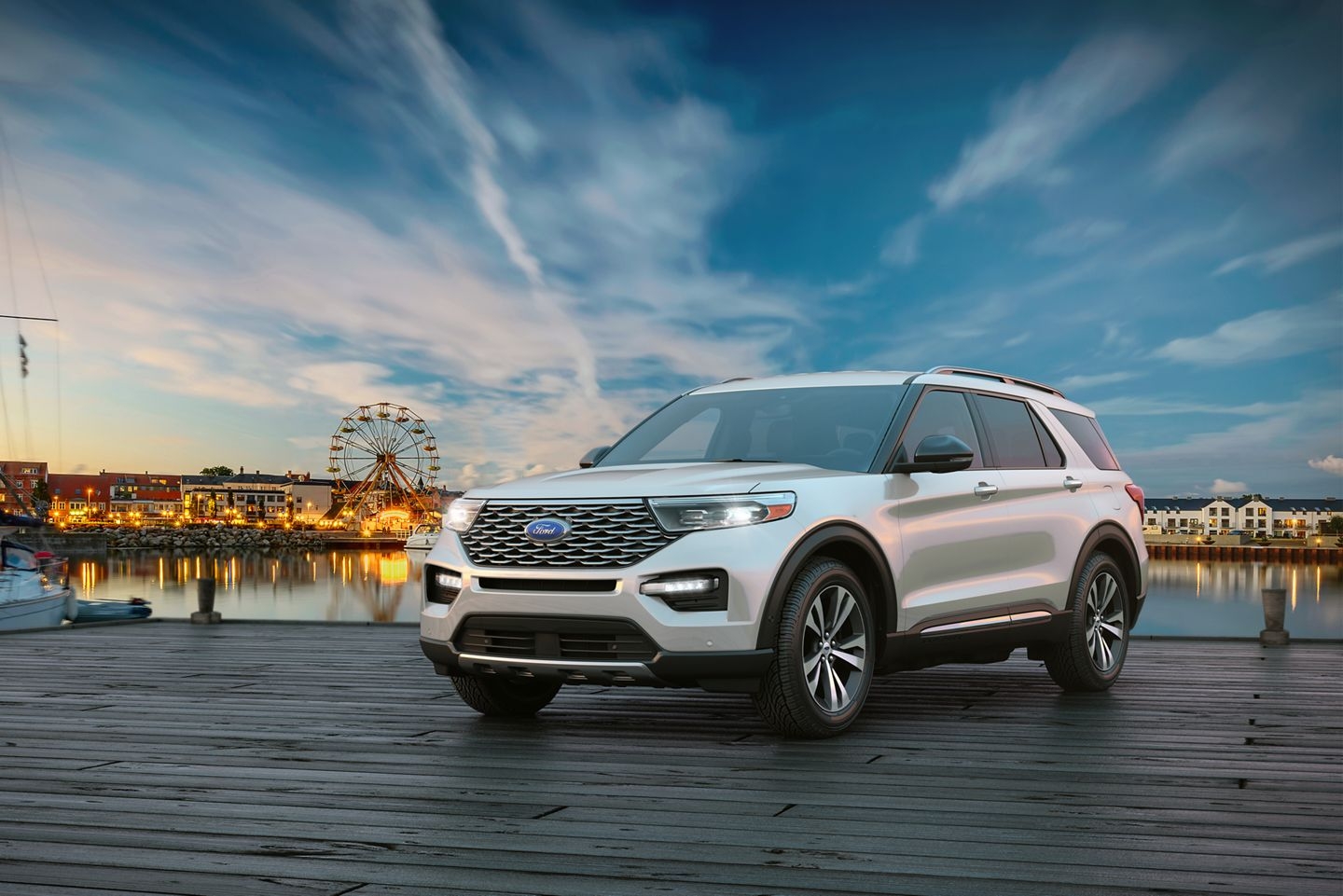
2024 Ford Explorer

When you purchase a new vehicle with four-wheel drive or all-wheel drive, you expect nothing less than capable performance in every terrain. Whether the backroads of Joshua Tree National Forest or the sandy beaches in SoCal, there’s no excuse for getting stuck.

Did you know that many Ford vehicles are equipped with Ford’s Terrain Management System? Discover what this terrain-taming technology is all about, from your local Southern California Ford Dealers.

What the Terrain Management System is All About

Terrain Management System is designed to adjust the vehicle’s driving dynamics for the type of terrain you’re driving on. It uses throttle position, vehicle speed, and steering angle to determine how your vehicle is responding compared to your commands. Torque is then adjusted front to rear and side to side in a split second to enhance traction.

Ford’s Terrain Management System has four driver-selectable modes that can be operated along with the shift-on-the-fly 4WD system so you can tailor your vehicle’s response depending on the type of terrain you’re on. AdvanceTrac settings are automatically adjusted based on your selection.

  • Normal Mode is for two-wheel-drive operation on easy-going terrain.
  • Grass/Gravel/Snow Mode improves stability for low-traction
    situations.
  • Mud/Ruts Mode sends maximum torque to all four wheels.
  • Sand Mode that allows for wheel slippage in situations where you’re
    on soft ground.

All modes other than Normal mode can be used in either 4HI or 4LO mode.

Some new models like the 2020 Ford Explorer offers additional TMS settings including Sport, Tow/Haul, Trail, and Eco, giving you even more adaptability to driving conditions.

How to Use Ford’s Terrain Management System

Using the Terrain Management System is simple and takes no time at all to master. Here’s a step-by-step in putting TMS to work for you.

  • Locate the rotary 4WD or AWD dial on your console.
  • Press the button marked ‘TM’ in the center of the dial.
  • On the driver’s information display, you’ll see the Terrain
    Management System mode displayed.
  • To change the mode, press the ‘TM’ button again. Press repeatedly
    until you’ve reached the TMS selection that matches your desired terrain.

Keep in mind that the 2H transfer case mode must be selected for Normal Mode while the other three selections will work with either 4HI or 4LO, but not 2HI.

Which Ford Vehicles have Terrain Management System?

Several current and coming models are equipped with Ford’s Terrain Management System. They include the new Ford Explorer, Expedition, Escape, Ranger, and the Ford F-150 Raptor. Look for more models in the future to be equipped with this innovative, safety-focused technology.

Are you looking for a new vehicle that can tackle any terrain you put it in? There’s a Ford model equipped with Terrain Management System with your name on it. Test drive ford vehicles like the new Explorer SUV with Terrain Management System and discover new vehicle specials at your local Southern California Ford Dealers.

Resources:

https://www.youtube.com/watch?v=Wha83d29Yec

https://www.ford.com/trucks/ranger/models/ranger-lariat/#2019-Ranger-models-lariat-1eb18bf37e065c10dc579ed1de9888e3-ai


Read More
CATEGORIES »
TAGS »

11-01-19

Why Synthetic Oil

Why Should I Use Synthetic Oil?

Synthetic oil

Do you ever find yourself looking at a wall of engine oils not understanding what the difference is? One of the most important distinctions you should be able to make is the difference between synthetic oil and traditional engine oils. The technicians at your local Southern California Ford Dealers service center are here to explain the differences between them.

Most drivers know that they need to change their oil regularly. However, it can be difficult to understand what oil to choose and why. Knowing the difference between synthetic oils and traditional oils can make a big difference not only to your pocketbook, but to your engine longevity as well.

Traditional oils are made from fossil fuels, which are refined similarly to how gasoline is refined. During that refinement process, engine oil is purified and mixed with cleaning and performance additives beneficial to the engine. Synthetic oils however, are completely derived from man-made chemicals. This means that synthetic oils are cleaner for the engine and perform better because they were specifically designed for use combustion engines.

Synthetic Oil Pros

Here are just a few of the benefits you see and feel when the oil you use is chemically created to be the best your engine can get…

  • Better lubrication means you get more horsepower
  • Better lubrication means less resistance and better fuel economy
  • Much better start up performance in cold weather, which also means less start up wear
  • Potentially less engine maintenance over lifespan of the vehicle

There are also benefits to synthetic oil that you cannot see and feel directly. The uniform chemical composition of synthetic oils means that you are getting better engine protection because every drop of oil is identical. The chemicals used have better lubrication properties. Synthetic oils also last longer and can be used for more miles than traditional oils. Also, contrary to what some believe, synthetic oils work in old or new vehicles alike. It’s never too late to make the switch.

Synthetic Oil Cons

  • You will spend more money per oil change

As you can see, there are far more benefits to using fully synthetic oils in your vehicle. Traditional oils use more fossil fuels, cannot lubricate as well as synthetics, and won’t protect your engine as generously. Synthetic oils also have stronger and safer detergents, meaning the inside of your engine stays as clean as possible.

The Southern California Ford Dealers service center near you is happy to help show you why synthetic oils make such a difference. If you haven’t made the switch yet, we will help you understand how easy it is, and why you won’t ever want to switch back. If you still have questions or concerns, stop by your local Ford Dealer today.

References:

None


Read More
CATEGORIES »
TAGS »

11-01-19

History of the Ford Bronco

History of the Ford Bronco

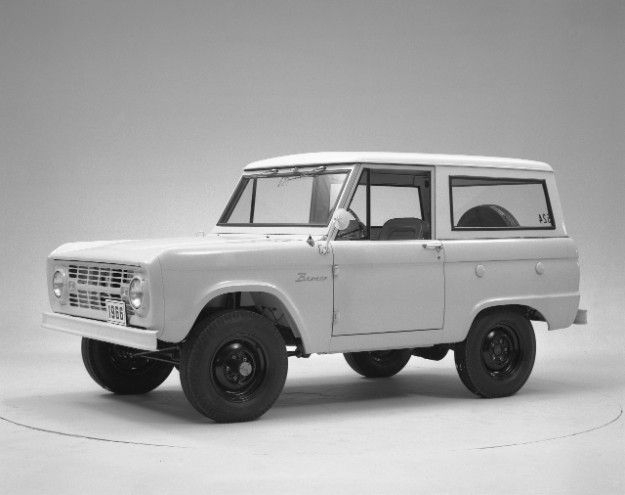
1966 Ford Bronco

With the announcement of the return of the legendary Ford Bronco for the 2020 model year, there’s a great deal of interest in the 30-year history of this well-respected off-roader.

While little has been officially released, though there’s much speculation about what the 2020 Bronco will be like. Until then, let’s look back at what’s made Bronco so esteemed by enthusiasts.

From the 1960s through the 1990s the Bronco was produced across five generations, and growing from what was considered in 1966 to be a compact SUV to eventually equal the height and width of the Ford F-150.

Ford brought the Bronco to the market in 1965 as a 1966 model to take on the Jeep CJ-5 and the International Scout, but the Ford Bronco had two big advantages: its coil spring front suspension provided better on and off-road performance and the optional V8 was not available at that time from either Jeep or IH.

Much like the Ford Mustang, the first-generation Ford Bronco is the most beloved and usually the image that first comes to find to an enthusiast when the name Ford Bronco comes up. However, the type of off-roading that exists today wasn’t really in the minds of our respected Ford engineers.

They saw the Bronco primarily as a tool for farmers, ranchers, surveyors and other who had to traverse rough roads and sometimes no roads. For example a shift-on the-fly Dana transfer case and locking hubs were standard, and heavy-duty suspension was an option. Other options for the first-generation Bronco included a CB radio, an auxiliary gas tank, a power take-off, a winch, and a post-hole digger.

However, the Ford Bronco quickly caught on with the general-public, some who purchased an early no intention to take it off-road. In response the Bronco was made available in a Roadster version for the 1966 and 1967 model years. There was no steel roof and the doors were replaced by inserts that covered the mounting hardware for the doors.

Ford knew well the value of motorsports in promotion its products, with its ‘Total Performance’ program challenging at the Indy 500, the 24 Hours of Le Mans, NHRA drag racing, and the Daytona 500. Ford handed over eight pre-production 1966 Broncos to racecar builder Bill Stroppe, who was instructed to focus on a new event called the Mexican 1000 Rally, soon known as the Baja 1000.

In order to better compete in the marketplace, the Bronco was moved up in size and off its unique frame and onto that of the Ford F-Series pickup. From its introduction in 1978 until its discontinuance after the 1996 model year, the Bronco would share much of the same suspension, chassis, drivetrain and bodywork with its truck brethren, moving the Bronco into the category of Full-size SUV.

Despite the commonality between the Bronco and the F-Series in those years there were a number of features that separated the two. In 1978-1979 the Bronco came standard with a part-time four-wheel drive system utilizing a gear-driven transfer case and the option of full-time four wheel drive with a chain-driven transfer case. It was fitted with a removable hardtop and folding rear seats. The rear glass could be rolled into the tailgate so that the gate could be dropped for loading and unloading.

The third-generation Bronco debuted in 1980 with a shorter and lighter body, but retained the small wheelbase. A single transfer case was adopted and an independent front suspension was developed around the Dana 44 front axle to allow for better on road ride comfort and off-road articulation. In 1985, the 5.0 L V8 became the first Bronco engine to feature multiport fuel injection, the same year as the popular Eddie Bauer trim package was first made available.

The fourth-generation Bronco rolled out in the 1987 model year and featured a more aerodynamic front-end design. The interior was completely redesigned and for the first time the Bronco was available with push-button controls for its 4WD system. ABS was also made standard in 1987. Five-speed transmissions replaced the old four speed manuals, and new automatics, including the heavy-duty E40D were available.

For the fifth and final version of the 20th century Bronco, an even more aerodynamic front-end design was adopted. The dashboard and instrument panel were upgraded, and as SUVs became increasingly more mainstream, the Bronco was offered with a leather interior for the first time. Much of the engineering devoted to the fifth-generation was in the adoption of improved safety features. Front crumple zones, three-point seat belt for the rear-seat were introduced in 1992, with further upgrades of a driver’s side air bag and additional door reinforcements in 1994.

The Bronco line was dropped for the 1998 model year in favor of the four-door Ford Expedition, which company planners believed better suited the marketplace at the time.

Ford reignited passions for the famous off-roader with its Ford Bronco Concept displayed at the 2004 North American International Auto Show (NAIAS) in Detroit. While it was rumored to be headed to production only the one show vehicle was built. For enthusiast it would be another 16 year wait until Bronco 2020.

The announcement of the revival of the Bronco was also made at the NAIAS, but in 2017. What’s been announced for far is that the mid-size 2020 Bronco will share its underpinnings with the new 2019 Ford Ranger pickup, that the Bronco will be a squared-off design, like the original version. This comes from a recently released official photograph from Ford showing a boxy, upright shape hidden under a tarp. It’s also been officially announced that the 2020 Ford Bronco will also be available with a hybrid drivetrain. In regards to the 2020 Bronco price, no official information has yet been released.

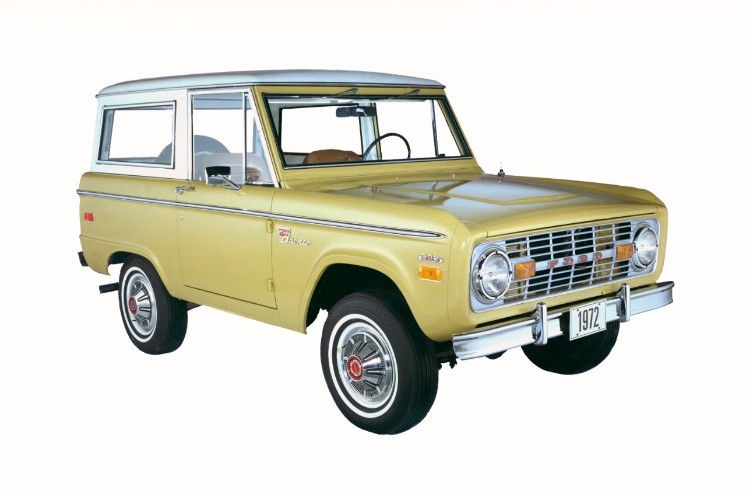
1972 Ford Bronco

Read More
CATEGORIES »
TAGS »

11-01-19

What is the FordPass app

Ford Offers Innovation for All

FordPass

While most vehicles have more differences than similarities, there is one thing that most new Ford vehicles have in common – a wide range of features at your fingertips that are all empowered by one of the coolest smart phone apps available.

Innovation for All

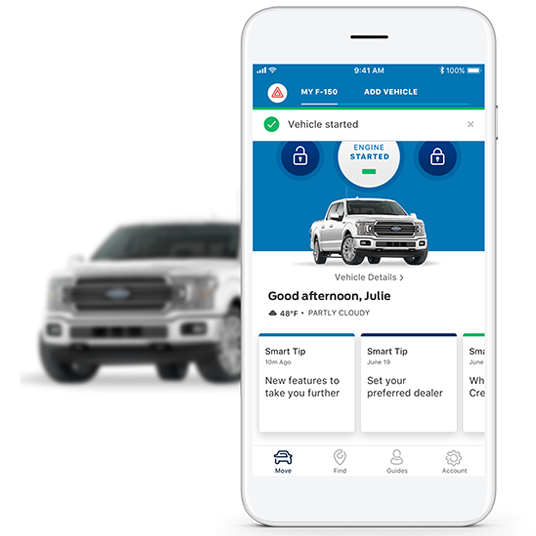
This one-stop mobile app takes what you used to do with multiple apps and helps you move through your day smarter, better and easier than ever before. Along with the ability to access your vehicle’s information and service needs right from your smartphone, which includes scheduling your next service appointment with ease, you can also unlock and start your vehicle or check your fuel level with just a tap.

Overcome the Obstacles in your Journey

Have you ever wished that you had someone ahead that could alert you to obstacles in the way? With the FordPass app this is more than possible. By calling a FordGuide right from this app you will have someone right there to guide you down the road until you get where you need to be safely.

Find a Parking Space

What is one of the most frustrating things about driving to any busy cities? If you answered finding a parking space, then you will be happy to know that the FordPass app lets you quickly find parking ahead of time. Parking marked with the calendar icon is reservable and you can pay for it right from the app. You can even remember where you parked thanks to the Vehicle Locator feature.

FordPass

Remotely Unlock and Start Your Vehicle

After a long day at work who really enjoys sitting in a cold vehicle waiting for it to warm up or even walking to your car in a dark parking lot all alone? Thanks to FordPass you will never have to worry about this again. In fact, you can even schedule a remote start any day, any time. Whether your calendar is routine or chaotic, your vehicle will always be ready.

Live Traffic Information

The FordPass App even helps you avoid a huge traffic jam by providing live traffic information that streams directly to your smartphone app. So, if you have been spending most of your mornings rushing to work and winding up in yet another wait your Ford vehicle can help you get to work on time all with the tap of a finger.

Wi-Fi Hotspot

If your smartphone plan doesn’t include a Wi-Fi hotspot, downloading this app can also provides you and your passengers with a hotspot that will keep your kids educated and entertained on each trip. You can even have up to 10 devices connected to this hotspot at a time.

Ford Vehicles Connected to FordPass

Want to know which Ford vehicles put you in the driver’s seat from anywhere thanks to the FordPass app? Along with the popular new Ford F-150 truck there are many Ford sedans, SUVs and even the coolest and most historic Ford muscle car – the Ford Mustang – offers this one of a kind smartphone app and will keep you connected no matter where you roam. Get to any of your Ford dealers in Southern California to check out your choice of new Ford models today.

Read More
CATEGORIES »
TAGS »

11-01-19

Is Your Air Conditioner Ready For Summer

Is Your Air Conditioning Ready For Summer?

Summer time is here, and so is the heat. A fully functioning air conditioner can make all the difference during your daily commute. A simple refrigerant recharge or AC system repair may be all you need to get your climate control back on track. Contact your local AC experts at SoCal Ford Dealers to get all your needed AC repairs and maintenance done right.

Your car’s air conditioner is a basic component that makes sure you don’t over heat in the summer. There are several things that can go wrong, and they can leave you uncomfortable and irritable. Regardless if your car is blowing air that is too warm, or not blowing enough air, there’s likely a simple solution. Finding an AC repair shop is easier than you think when you think about your SoCal Ford Dealers.

Warm Air

Warm air coming out of the air conditioner can be the result of a faulty compressor, or a lack of refrigerant in the system. While there are a couple of other items that can contribute to the air conditioning not being cold, these are the most common. Refrigerant can be added, and should be added, by a trained technician. This is so no refrigerant is leaked into the atmosphere due to its harmful effects to the ozone. This also ensures that your vehicle’s AC system is charged to the proper pressure, and that it will be like new based on your manufacture recommendations.

Leaks in the refrigerant can also leak to warm air from the AC. If you are having to add refrigerant consistently or know that your AC system is not holding pressure, then you have a leak in a line or a hose. This is not only bad for the environment but is also harsh on your pocket book. Older vehicles also run the risk of having a clog in the refrigerant. These are harder to clean out, but they typically can be cleared or the section that is clogged can be replaced.

No Air Pressure

A lack of air pressure coming from the vents is typically a result of a bad blower motor. These motors can short out, have a bad connection, or have a bad switch. Most commonly the blower motor will need to be replaced. Blower motors may be difficult to access on some models, and you may want to seek professional assistance.

When looking for an AC repair shop near you, consider the local experts who are certified to work on all makes and models. For questions about car AC repair costs or other concerns, call the service experts at your local SoCal Ford Dealers. Get help with your warm air or lack of air coming from your AC vents today, and don’t suffer all summer long.


Read More
CATEGORIES »
TAGS »

Southern California Ford Dealers Blog | Fiesta Ford

Contact Us:

Name:
Email:
Message: